Kaçamaku
Macedonia
At a glance
Kaçamaku is a traditional restaurant in Gostivar centred on kaçamak, a Balkan and Turkish cornmeal dish known in North Macedonia as bagërdar. The dish has the texture of a thick cornmeal porridge and is traditionally paired with yogurt, using either sheep’s or cow’s milk. Its place on the menu reflects a regional food tradition that connects everyday cooking with the mountain communities and rural life of the Šar area.
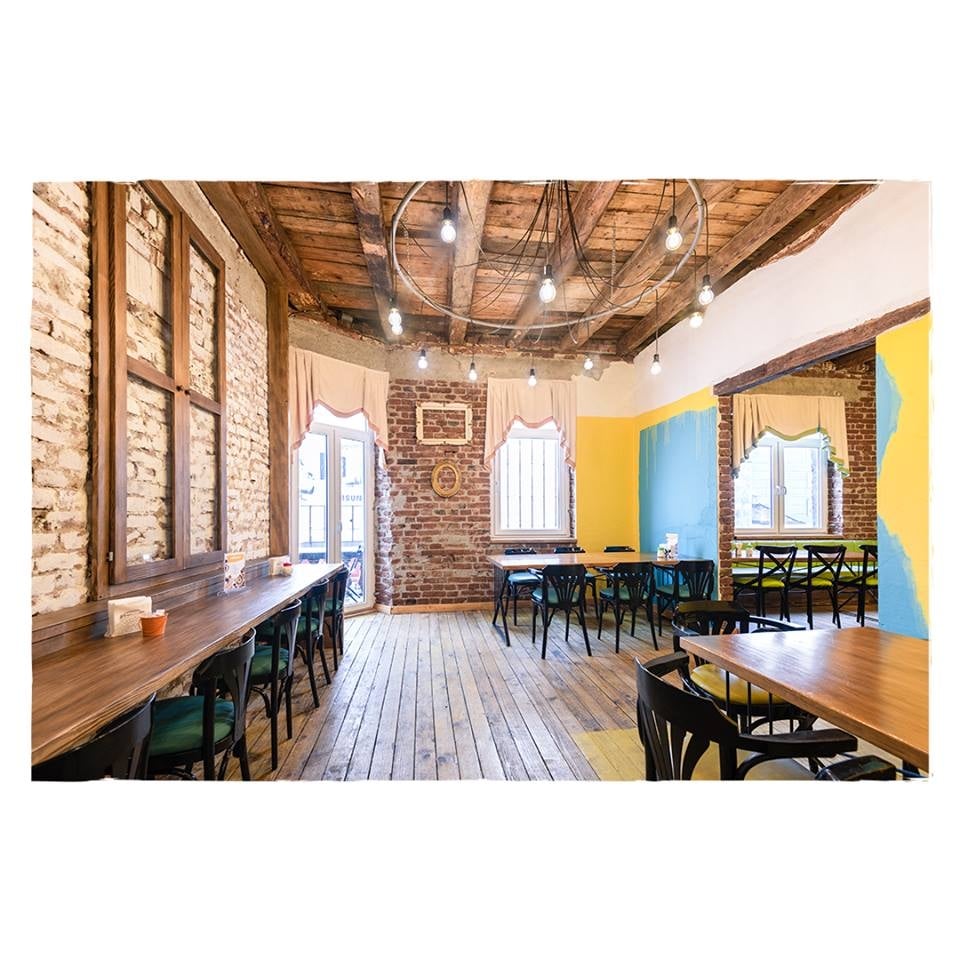
The restaurant’s character is rooted in familiar, heritage cooking rather than modern culinary presentation. Kačamak was once regarded as a modest staple, but its nutritional value and longstanding role in local food culture have helped it remain relevant in restaurants as well as home kitchens. Kaçamaku presents that tradition as its central culinary identity, giving the restaurant a clear focus within Gostivar’s dining scene.
The dish belongs to a wider family of Balkan preparations and can be compared with Italian polenta or Romanian mamaliga, while retaining its own regional name and serving customs. The combination of cornmeal and yogurt creates a simple, substantial meal shaped by pastoral ingredients and local habits. Sheep’s yogurt brings a particularly strong connection to the mountain and livestock traditions associated with the dish, while cow’s yogurt offers another traditional accompaniment.
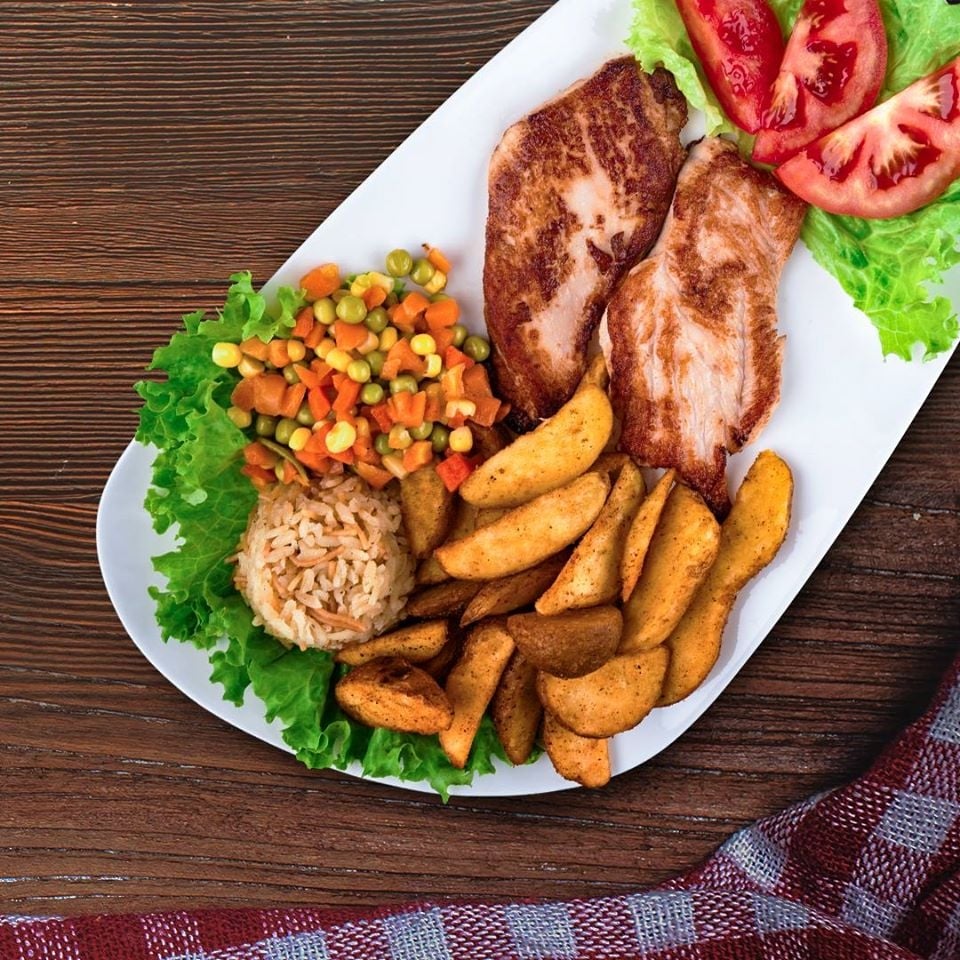
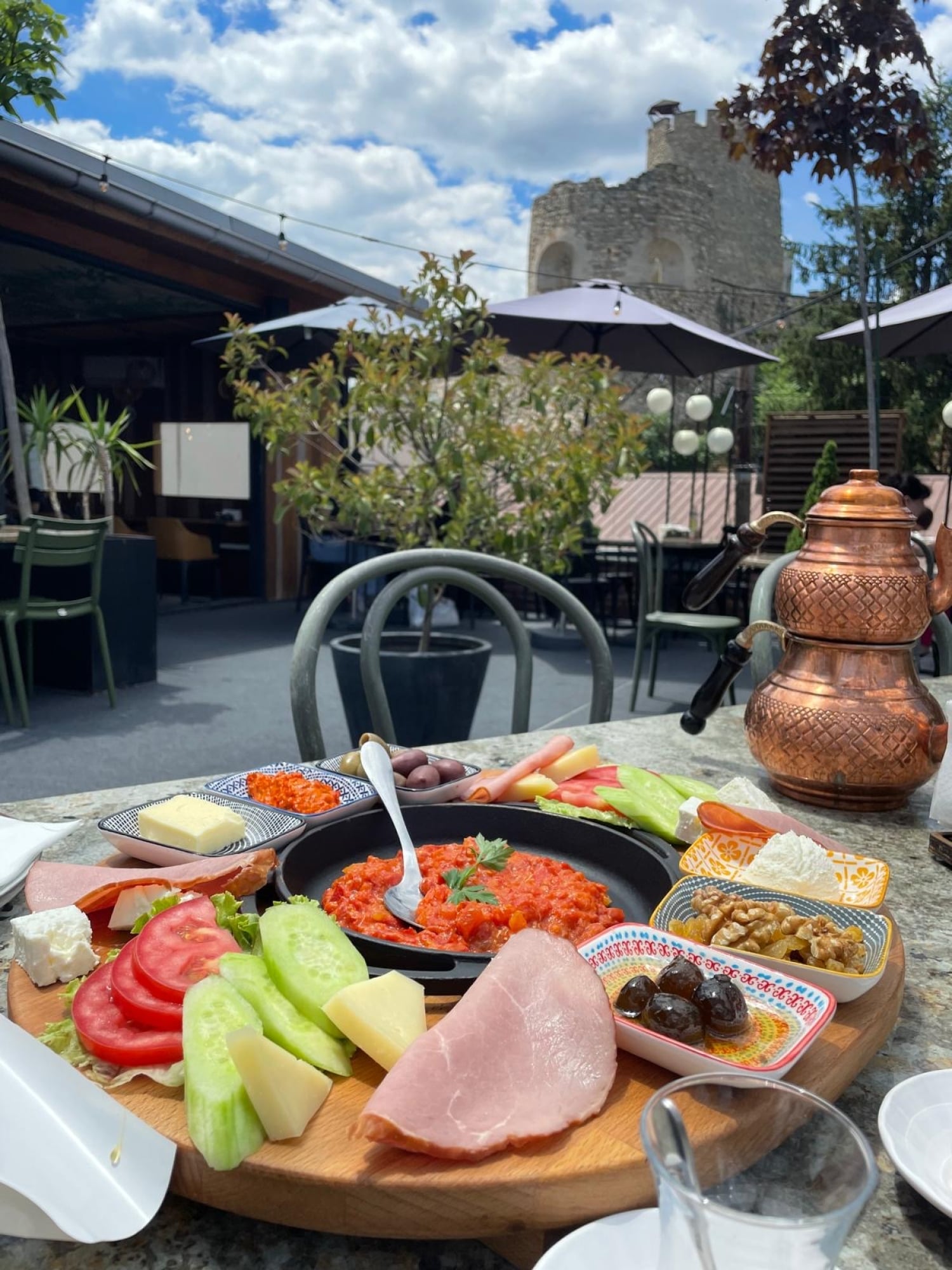
Kaçamaku serves this style of food throughout the day, from breakfast to dinner. That all-day format makes the restaurant suitable for diners seeking a regional breakfast, a filling traditional meal, or an introduction to a food associated with Macedonia’s broader Balkan heritage. The focus remains on the recipe itself and on preserving the connection between the dish, local memory, and the countryside from which its traditions developed.
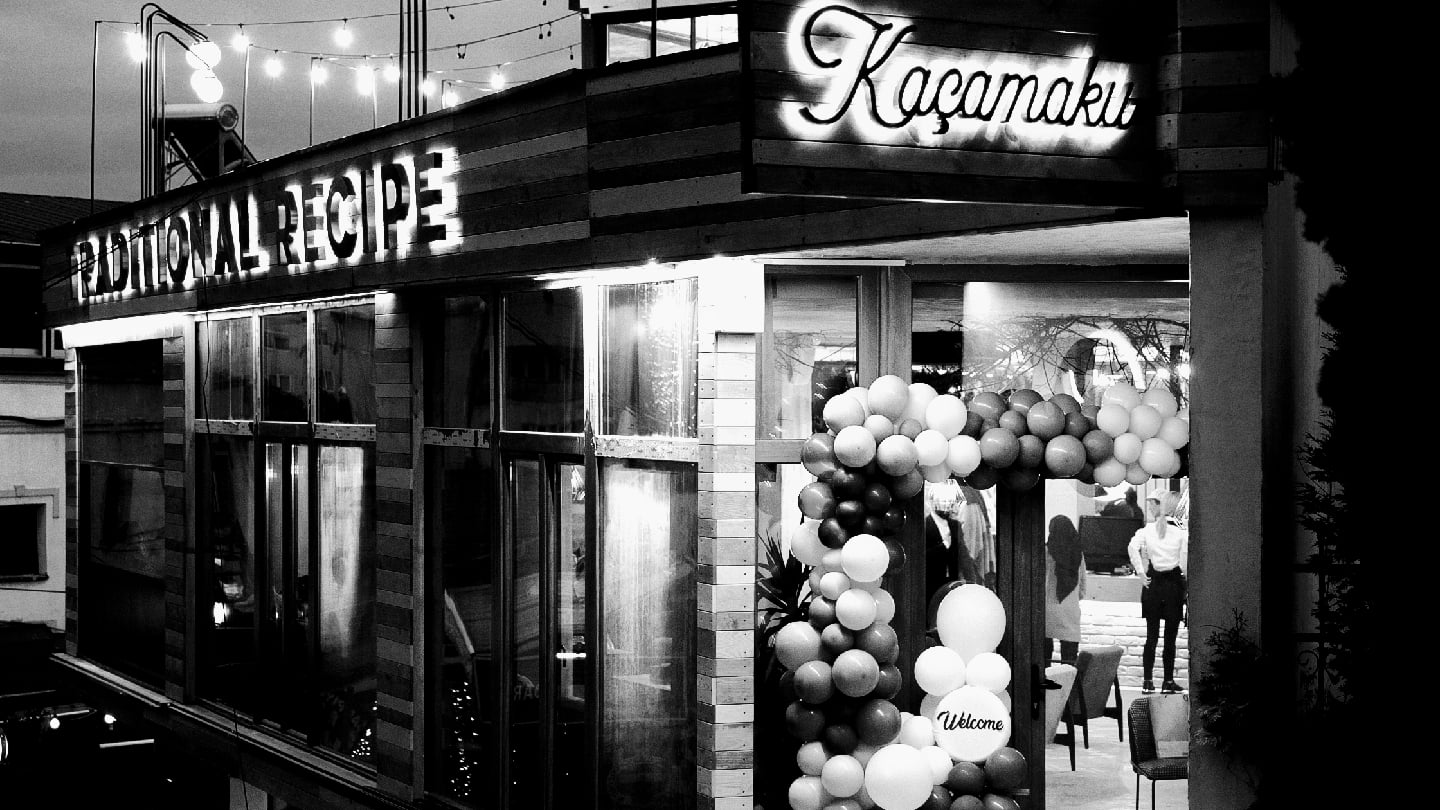
The restaurant is located on Boris Kidric in Gostivar, at postcode 1230. Kaçamaku is a fitting choice for diners interested in traditional regional cuisine, cornmeal-based dishes, and the cultural story behind a food that has moved from humble rural kitchens into restaurant dining.